
A vacation in Greece is the art of balancing glorious history, dramatic landscapes, stunning beaches, and a slow yet addictive pace of life. The following guide was designed to ensure you enjoy an authentic and effortless experience, whether you are exploring the Greek islands or the mountainous regions of mainland Greece. Fasten your seatbelts – we are taking off.
Greece in a Nutshell – An Introduction
Greece is located in southeastern Europe at the southern tip of the Balkan Peninsula and boasts an exceptionally diverse geography. The country is divided between a striking mountainous mainland and more than 6,000 islands and islets scattered across the Aegean and Ionian Seas.
However, Greece is far more than just islands. Approximately 80 percent of its territory is mountainous, creating a breathtaking contrast between snow-capped peaks and a deeply indented coastline stretching roughly 13,000 kilometers.
This diversity means that the atmosphere changes dramatically from region to region: from the vibrant urban energy of Athens and Thessaloniki, to the absolute serenity of the villages of Zagoria, and the nonstop celebrations found on many of the islands.
The common thread throughout is “philoxenia” – the renowned Greek tradition of warm hospitality that instantly makes visitors feel at home.
Who Is a Vacation in Greece Suitable For? Hint – Everyone
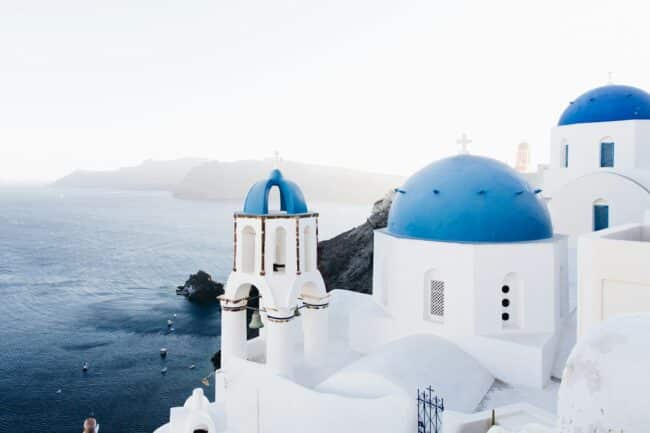
Couples will find Greece to be a romantic destination that effortlessly combines photogenic scenery and privacy. Many choose the Cycladic islands for their iconic sunsets and white-and-blue architecture, while mainland regions such as Pelion offer intimate escapes among lush forests and hidden coves.
Couples are encouraged to look for boutique hotels offering personalized service and to avoid peak tourist season in July and August. Visiting during the shoulder seasons allows you to enjoy the tranquil local atmosphere and pleasant temperatures averaging 25-28°C.
Families will discover a paradise of activities suitable for all ages. Larger islands such as Crete and Rhodes offer family-friendly resorts with sandy beaches, water parks, and shallow waters, making Greece a particularly convenient and comfortable destination for families with young children.
A helpful tip for families is to take advantage of substantial discounts often available for children under 12. Choosing accommodations with a small kitchenette can also provide flexibility with meals.
Groups of friends will enjoy a wide range of shared experiences, from island-hopping sailing trips to challenging hiking routes in northern Greece. Renting large villas is a popular and cost-effective option that allows groups to stay together without compromising on comfort or luxury.
Younger travelers are often drawn to the vibrant nightlife of Mykonos, while more mature groups may prefer winery tours and culinary workshops in the Peloponnese. For any group planning a sailing experience, it is advisable to book ferry tickets in advance to secure seats together, especially during high season.
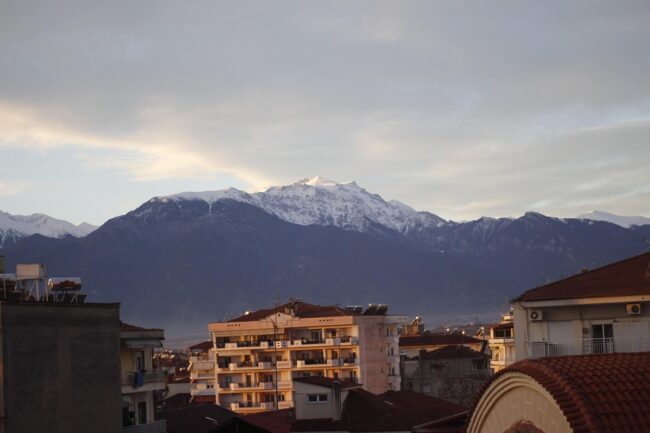
Independent travelers and nature enthusiasts will find their ideal setting in mainland Greece, particularly in regions such as Macedonia (North Central Greece) and Thrace (Northeast Greece). These areas feature secluded hiking trails, including ascents of Mount Olympus, and traditional villages where centuries-old customs are still alive.
Independent travelers are encouraged to use local transportation, particularly the intercity KTEL bus network, which reaches even small villages.
Young travelers under 25 should know that presenting a passport or an international student card often grants significant discounts, and in some cases free admission to national archaeological sites.
The History of Greece and the Type of Trip That Suits You
The history of Greece forms the foundation of Western civilization, and every corner of the country is filled with traces of its past, from Doric temples to Venetian fortresses.
This deep connection to history is felt not only at archaeological sites but is also woven naturally into daily life. Landmarks such as Delphi and the Parthenon in Athens stand as living testimony to Greece’s historical significance.
It is recommended to visit these sites and other major landmarks early in the morning to avoid the intense heat and large crowds during summer. In winter, entry to many government-operated archaeological sites is free on selected Sundays.
Modern Greece is a blend of respect for tradition and a desire for renewal. The Greek lifestyle embraces the philosophy of “siga siga” – slowly, slowly.
Locals value their leisure time, long coffee breaks, and extended family meals. In regions such as Thessaly, you may still encounter shepherds maintaining traditional ways of life, while neighborhoods like Psiri in Athens showcase a vibrant contemporary street art scene.
In short – Greece is the ultimate destination where past and present coexist in perfect harmony.
Attractions and Things to Do in Greece
When planning activities in Greece, begin in Athens – and not only because of the Acropolis, a must-see site that includes the new Acropolis Museum. Be sure to allow time to wander through the picturesque streets of the Plaka district, a charming enclave in the heart of the city.
For a deeper cultural experience, consider booking a guided walking tour. There are countless options available, for example:
- Market visit and cooking class with wine
- Street food tasting tour
- Small-group bike tour
- Hop-on hop-off city bus tour
Further north lie the suspended monasteries of Meteora, built atop massive sandstone pillars and offering unforgettable sunset views.
Many travelers choose to join an organized day tour to Meteora that includes visits to active monasteries. However, it is important to follow strict dress codes. During monastery visits, modest attire is required: men must cover their shoulders and wear long trousers or at least knee-length shorts, and women are required to wear long skirts. In most monasteries, fabric wraps are available at the entrance if needed.
Nature lovers will appreciate northern Greece, especially Vikos Gorge located in the Epirus region. The gorge offers spectacular hiking trails connecting ancient stone villages via arched bridges. Nearby, Mount Olympus invites adventurous climbers to take on its challenging ascent.
On such trips, particularly in drier areas, it is important to understand local drinking water differences. On the mainland, tap water is generally safe to drink, but on many islands the water is desalinated and not suitable for drinking.
Be sure to purchase bottled mineral water, widely available at kiosks at regulated prices for half-liter bottles.
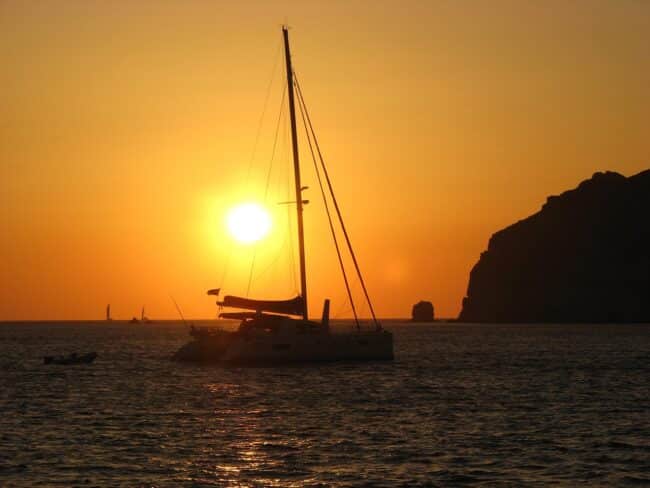
On the Greek islands, sailing is a central activity. In Santorini, a sunset cruise inside the volcanic caldera is one of the most sought-after experiences. Catamaran cruises including dinner and sunset views can be booked in advance.
The Guide to Beaches in Greece
Greece’s beaches are among the cleanest in the world, many boasting exceptionally clear waters. It is important to note that a large number of them are pebble beaches rather than sandy ones, so bringing water shoes is highly recommended. This makes entering and exiting the sea easier and also protects against sea urchins, which are common along Greece’s rocky shores.
Here are some of the most well-known and recommended beaches in Greece:
- Navagio Beach: Located on the island of Zakynthos, this beach is home to the famous shipwreck. Access is by boat only. Before visiting, check whether the beach is open, as it may be closed due to rockfall risks. As of February 2026, for example, the beach itself is closed and visitors may only swim nearby.
- Elafonissi Beach: Situated in southwest Crete, known for its pink-tinted sand. The shallow waters make it especially suitable for families with children.
- Porto Katsiki Beach: One of the flagship beaches of Lefkada, surrounded by dramatic cliffs. Be prepared for a long staircase descent and climb back up.
- Sarakiniko Beach: Located on Milos, featuring a lunar-like landscape of white limestone rock formations, cliffs, and sea caves.
- Myrtos Beach: A wide beach on Kefalonia. Be aware that the water deepens rapidly.
- More about beaches in Greece.
The Guide to Nightlife and Entertainment in Greece
Nightlife in Greece starts late. Taverns fill up only after 9 pm, and clubs usually begin operating after midnight. The entertainment culture blends relaxed socializing with lively beach parties, allowing you to choose your preferred atmosphere. Here are several options:
- The Clumsies: A cocktail bar in Athens consistently ranked among the world’s best. Ideal for creative drinks.
- Baba Au Rum: A rum-specialty bar in central Athens with a lively and informal atmosphere.
- Void: A Mykonos nightclub known for electronic music and world-class DJs. Perfect for dancing into the early hours.
- Kitchen Bar: A bar-restaurant set in a former harbor warehouse in Thessaloniki, featuring industrial design and a unique waterfront atmosphere.
- More about Greece’s nightlife
The Guide to Restaurants and Culinary Experiences in Greece
Greek cuisine is seasonal and fresh. It is common to order a selection of mezedes – small shared plates – instead of a single main course. There are two important things to know about dining in Greece:
- Service charges are usually included in the bill, but it is customary to leave an additional tip of around 10 percent if you were satisfied with the service. In small taverns, rounding up the bill by a few euros is appreciated.
- In many taverns, bread and spreads are placed on the table without being requested. This is a common appetizer known as a “cover” charge and typically costs between 1 and 3 euros per person.
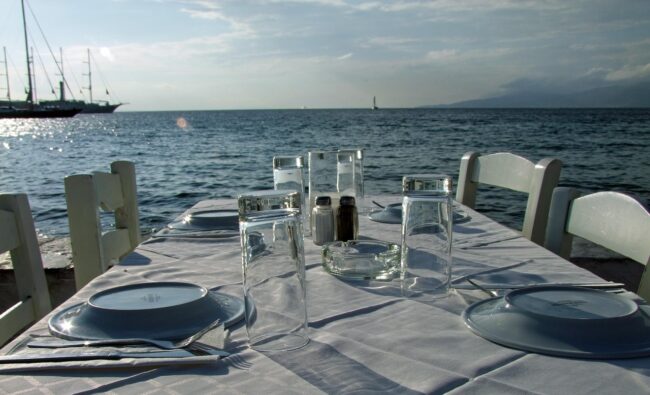
Where should you dine? Here are several establishments where the culinary experience engages all the senses:
- Psaras: A historic tavern in Athens’ Plaka district, renowned for fresh fish and seafood in a picturesque setting.
- Peskesi: A restaurant in Heraklion, Crete, offering a fully traditional experience based exclusively on local ingredients.
- Spondi: A Michelin-starred gourmet restaurant in Athens blending French technique with Greek ingredients. Dress code is required and reservations should be made weeks, if not months, in advance.
- Klimataria: An authentic Athens tavern known for traditional stews and live music. Wear comfortable shoes – you will likely be dancing.
- Bill & Coo Gastronomy Project: A Mykonos chef-driven restaurant offering one of the most spectacular Aegean Sea views, with a bold modern interpretation of local ingredients.
- More about Greek food
Transportation in Greece and Getting Around the Country
Travel to Greece is primarily via direct flights to Athens and Thessaloniki, and seasonally to major islands. Within mainland Greece, renting a car is the most recommended way to travel. Highways are excellent, but keep some cash on hand for toll roads, as not all stations accept credit cards.
Within Athens, the metro is the fastest and most convenient way to move around. For island-to-island travel, ferries are the primary and sometimes only option – booking tickets in advance during peak season is strongly recommended.
On the islands, renting a scooter or ATV is popular. However, a valid driving license, protective gear, and prior riding experience are essential. Roads can be narrow and challenging.
A Few Final Words
Greece is a country where everyone can find their perfect corner. It blends modern convenience with rural simplicity, emotional history with tranquil beaches. The key to a successful vacation in Greece is flexibility.
Listen to local recommendations, purchase bottled mineral water on the islands, read more here about things to do in Greece, respect dress codes at sacred sites, and remember to take everything “siga siga.” Enjoy your trip.
מתוייג ב:
Guides