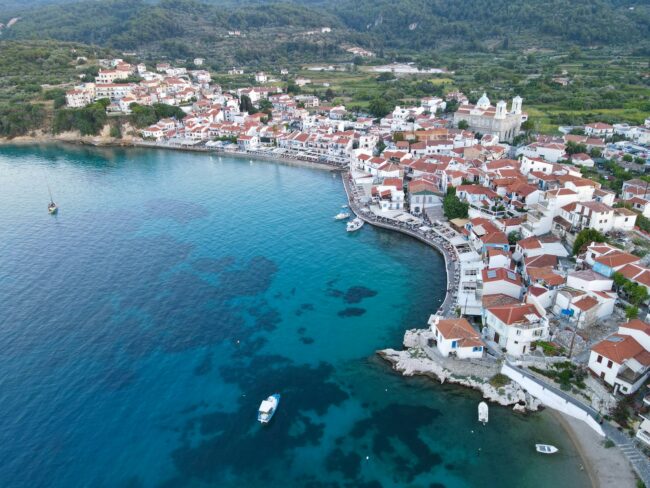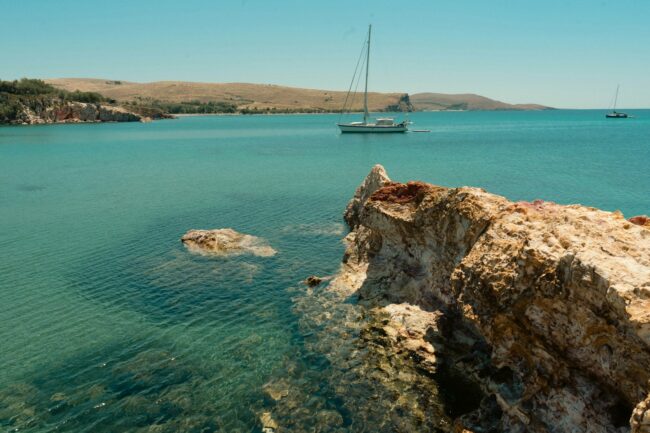

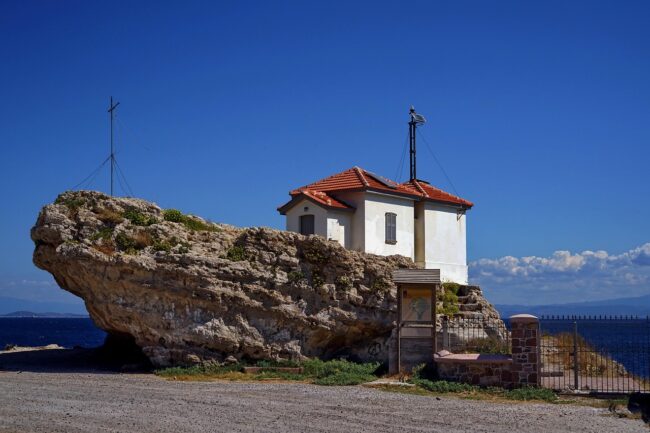
Imagine an island where time seems to stand still among endless olive groves, villages perched on cliffs, and the aroma of fresh ouzo in the air. Lesvos is not “just another Greek island” with white and blue houses, but a true gem of the Aegean Sea—green, wild, and authentically preserved in a way that is rare to find today.
The island of Lesvos (Lesvos or Lesbos) is the third largest island in Greece, located in the northeastern Aegean Sea. It is a destination that uniquely combines rich culture, ancient history, and diverse, untamed nature.
Unlike the Cycladic islands, which are known for their whitewashed houses and relatively dry landscapes, Lesvos is exceptionally green. It is covered with millions of olive trees, pine and oak forests, and features impressive volcanic landscapes in its western part. The island maintains an authentic Greek atmosphere, far from mass tourism, and is considered the global capital of ouzo.
The atmosphere in Lesvos is relaxed and welcoming. There is no rush here, although there are geographic contrasts: the capital, Mytilene, is a lively urban center, while the mountainous villages and secluded beaches offer peaceful escapes and a deep connection to local traditions.
Who is Lesvos suitable for?
Couples will find Lesvos a romantic destination offering privacy and European charm. In Mytilene, a fortress overlooking the sea and picturesque stone alleys create the perfect setting for quiet evenings at sunset.
Couples can enjoy the island’s hot springs, hiking trails through olive groves, and intimate dinners in local taverns serving fresh, local produce. It’s a place to slow down and reconnect through a relaxed, high-quality Greek experience.
Families will find Lesvos a safe and diverse destination. Long sandy beaches such as Vatera and Petra are ideal for children thanks to their clear waters and convenient facilities.
The island offers educational and exciting experiences, including visits to the Natural History Museum in Sigri and flamingo watching in Kalloni Bay. The open spaces and the option to rent a car and explore villages and beaches turn a family trip into a true adventure—combining nature, learning, and relaxation.
Groups of friends and travelers interested in culture and gastronomy will enjoy the island’s richness. Lesvos is known for its relaxed yet high-quality nightlife, especially in Mytilene.
Groups can explore ouzo distilleries in Sigri or Plomari, attend local festivals with live music and dancing, or take day cruises around the island. The geographic diversity allows a mix of urban entertainment and peaceful village stays.
Independent travelers, backpackers, and nature lovers will find Lesvos a true paradise. The island is one of Europe’s most important birdwatching sites, especially during migration seasons, and features extensive hiking trails through forests, waterfalls, and volcanic cliffs.
Geology enthusiasts will be fascinated by the island’s petrified forest—one of only two of its kind in the world.
The History and Character of Lesvos
The island of Lesvos, according to Greek mythology, was named after the hero Lesvos, grandson of Aeolus, the god of the winds, who settled in the area. The island boasts a rich history spanning thousands of years. In ancient times, it was an important cultural and artistic center and home to the renowned poet Sappho.
Because Sappho wrote passionate love poetry addressed to women, she became a literary symbol of female love. As a result, the island continues to be a meaningful destination for women from the LGBTQ+ community. Her work remains influential to this day, and the connection between her poetry and the island’s landscapes is still deeply felt.
Throughout history, Lesvos was ruled by various powers—including the Byzantines, Genoese, and Ottomans—until it was united with Greece in 1912. These influences are clearly reflected in the local architecture, from fortified castles in Molyvos and Mytilene to the grand mansions of olive oil and soap merchants built in the 19th century.
The character of the island is deeply shaped by the connection between its people, the land, and the sea. Unlike islands that rely solely on tourism, Lesvos has a productive economy based on high-quality olive oil, ouzo production, and local cheeses.
The lifestyle here follows the “siga siga” philosophy—slowly, slowly—and locals are deeply proud of their heritage. Mountain villages maintain their traditional structure, and sitting for coffee in the central square is still at the heart of social life.
The unique blend of historical intellectualism and agricultural simplicity creates a calm yet thoughtful atmosphere rarely found elsewhere.
Accommodation in Lesvos (Hotels and Apartments)
Accommodation options in Lesvos are diverse and spread across several key areas:
- In the capital, Mytilene, you will mostly find boutique hotels in renovated historic buildings close to the port.
- In the north, around Molyvos and Petra, accommodation includes family-run resorts and traditional stone houses.
- In the south (Plomari area), there are seaside apartments with the atmosphere of a lively fishing village.
It is recommended to choose your accommodation based on your travel style: history and city lovers will prefer Mytilene, while those seeking beaches and scenery should focus on the north or southwest of the island.
In general, accommodation in Lesvos is relatively affordable compared to popular islands such as Mykonos or Santorini, offering excellent value for money.
- Theofilos Superior Resort Hotel – Located in Petra, this hotel combines modern design with traditional elements. It features a large swimming pool, gym facilities, and landscaped gardens, making it ideal for families and couples.
- Elysion Hotel – A luxury boutique hotel located by the sea near the airport and Mytilene. Rooms are modern and many include balconies with panoramic Aegean views.
- Olive Press Hotel & Apartments – A unique hotel in Molyvos housed in a historic olive oil factory. It offers distinctive architecture and a peaceful, nostalgic atmosphere by the sea.
- Oikies Small Elegant Houses – Elegant guesthouses in Mytilene offering privacy, high-end design, and lush surroundings that feel like a village within the city.
- Aeolian Village Beach Resort – A large beachfront resort at Vatera Beach with sports facilities, pools, and activities, making it perfect for families.
Attractions and Things to Do in Lesvos
Lesvos invites visitors to explore both its natural wonders and cultural heritage. One of its most unique attractions is the Petrified Forest in the west—remains of ancient trees fossilized due to volcanic activity millions of years ago.
A visit to the Natural History Museum in Sigri complements the experience, showcasing remarkably preserved fossilized tree trunks.
The town of Molyvos (also known as Mithymna) is the jewel of the island. It is a protected settlement with stone-paved alleys, vine-covered courtyards, and views of an impressive fortress. Visiting the castle at sunset offers breathtaking views, including the distant Turkish coastline.
Those seeking relaxation can enjoy the island’s hot springs. In Thermi or Eftalou, visitors can bathe in mineral-rich waters, either in historic Ottoman bathhouses or natural seaside pools.
Nature lovers can explore mountain villages along the Sedountas River near Plomari. Birdwatchers will find the Kalloni salt pans especially rewarding, where flamingos and rare migratory birds can be observed throughout much of the year.
The mountain village of Agiasos, located on the slopes of the island’s Mount Olympus, is a center of art, religion, and tradition. It is known for the Panagia church, its ethnographic museum, and local artisans crafting wood and ceramics.
The atmosphere here is cooler, greener, and filled with the scent of plane trees and herbs. It is the perfect place to taste traditional sweets and experience authentic mountain Greece.
Ouzo Museums in Lesvos
The island of Lesvos, and especially the picturesque town of Plomari in the south, is considered the global “capital of ouzo.” As a result, several museums and visitor centers are dedicated to Greece’s national drink. The most well-known are the “World of Ouzo” museum of the Plomari distillery and the Barbayannis family museum.
Visiting these museums is a multi-sensory experience that combines history, tradition, and modern technology:
- History and heritage: Visitors learn about the origins of the drink from the late 19th century through exhibits featuring traditional copper stills (alembics), historic bottles, early bottling machines, and original labels from founding families.
- Production process: The tours reveal distillation secrets passed down through generations and highlight the importance of local ingredients, especially high-quality anise seeds grown in the nearby village of Lisvori.
- Tasting experience: Beyond exploring the distillery facilities, visitors can smell and experience the various herbs and ingredients. The highlight is guided tastings of different ouzo varieties, along with explanations of traditional Greek serving methods.
These centers are a must-visit for food and culture enthusiasts, offering a fascinating and flavorful insight into one of Greece’s most iconic symbols.
Beaches in Lesvos
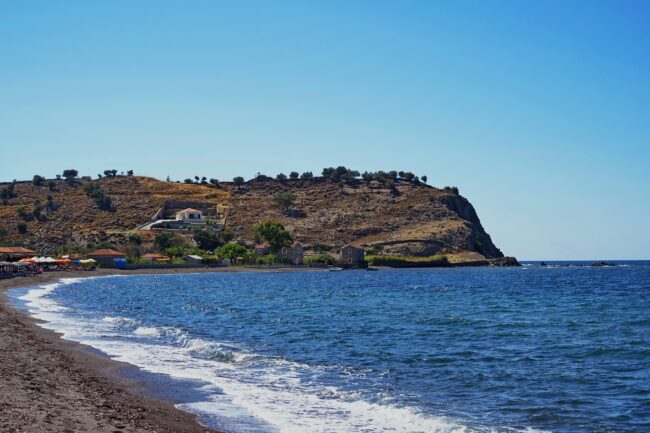
The beaches of Lesvos are highly diverse, ranging from long sandy shores to hidden pebble coves. The waters are clean and crystal-clear throughout the island. Here are some highlights:
- Vatera – One of the longest and most beautiful beaches in Greece, stretching about 8 km. Sandy with some pebbles at the edges, clear deep waters, and plenty of taverns and cafés.
- Agios Isidoros – Located near Plomari, this beach is considered one of the cleanest and best on the island, with turquoise waters and excellent facilities.
- Eftalou – Known for its therapeutic hot springs and wild scenery, this quieter pebble beach is ideal for relaxation and connecting with nature.
- Melinda – A picturesque bay with a dramatic rock formation rising from the sea. It’s peaceful and features excellent seaside fish taverns.
- Petra – A well-organized sandy beach in the heart of Petra town, ideal for families thanks to its shallow waters and proximity to restaurants and entertainment.
Nightlife and Entertainment in Lesvos
The nightlife culture in Lesvos is closely tied to local cuisine and ouzo. In the evenings, squares and harbors fill with locals and visitors enjoying ouzeries—restaurants specializing in ouzo served with a variety of mezedes (small dishes).
The liveliest nightlife is concentrated in two main areas: Mytilene, with its bars and cafés along the promenade, and Molyvos, known for its romantic seaside bars.
- Parasol – A popular cocktail bar in Molyvos located by the sea, offering a relaxed daytime vibe and a lively atmosphere at night.
- Congas Beach Bar – A vibrant spot on Petra Beach featuring Latin music and a carefree atmosphere, perfect for afternoon drinks that extend into the night.
- Mousiko Kafeneio – A traditional café-bar in Mytilene that often hosts live Greek music performances, offering an authentic local experience.
- Home Cafe – A well-known spot in Mytilene located in a neoclassical building with a cozy courtyard and warm design.
Restaurants and Culinary Scene in Lesvos
The cuisine of Lesvos is one of the most impressive culinary experiences in Greece. The island is known for its unique products, including Ladotyri cheese preserved in olive oil, fresh sardines from Kalloni Bay, and, of course, local ouzo.
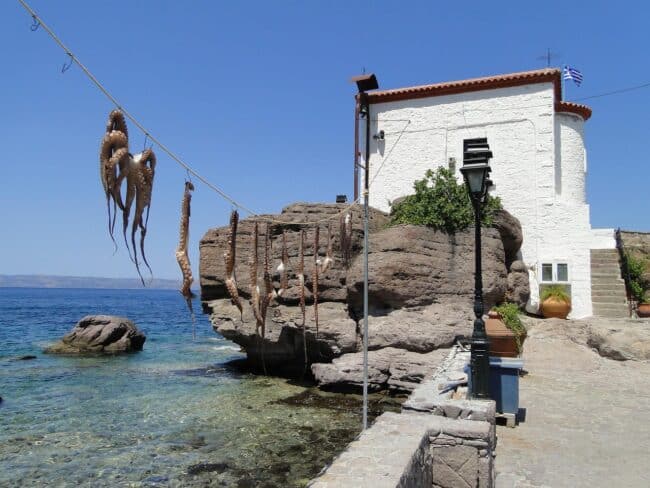
- The Octopus – A famous tavern in Molyvos harbor known for octopuses hanging to dry in the sun. It serves classic Greek dishes with an emphasis on fresh seafood.
- Vafios – A mountain tavern located in the village of Vafios above Molyvos, specializing in slow-cooked traditional dishes and grilled meats, with stunning coastal views.
- Antonis – A restaurant in Mytilene offering a true ouzeri experience, with a wide variety of mezedes including cheeses, stuffed vegetables, and pickled fish.
- Balouhanas – Located in the port of Plomari, this restaurant is a must-visit for lovers of ouzo and seafood, offering simple and fresh dishes made from local ingredients.
- Tropicana – A family-run tavern in Molyvos’ central square, shaded by a large plane tree, known for its excellent moussaka and warm hospitality.
Transportation and Getting to Lesvos
Getting to Lesvos is relatively easy thanks to the international airport in Mytilene. Throughout the year, there are regular domestic flights from Athens, as well as seasonal international flights from various European destinations.
Another popular option is arriving by ferry. There are frequent ferry connections from mainland Greece, mainly from the port of Piraeus, as well as routes connecting Lesvos with nearby islands in the Aegean.
Once on the island, it is highly recommended to rent a car. Lesvos is a large island with many hidden gems—remote beaches, mountain villages, and natural attractions—that are best accessed independently.
Public transportation (KTEL buses) does operate between major towns and villages, but schedules can be limited, especially outside peak tourist season.
Important Tips for Visiting Lesvos
- Best time to visit: Late spring (May–June) and early autumn (September–October) are ideal, offering pleasant weather, fewer crowds, and excellent conditions for exploring nature.
- Car rental: Due to the island’s size and diversity, renting a car is strongly recommended for maximum flexibility.
- Local culture: Respect the slow pace of life—this is a place to relax, not rush. Embrace the “siga siga” lifestyle.
- Food experience: Don’t skip local specialties like sardines from Kalloni, Ladotyri cheese, and, of course, ouzo served with mezedes.
- Nature: Bring comfortable walking shoes if you plan to hike or explore the island’s many natural trails.
Lesvos is a destination that offers far more than a typical island getaway. It is a place where culture, history, gastronomy, and nature come together in perfect balance.
Whether you are seeking relaxation, exploration, or authentic local experiences, Lesvos delivers a deep and memorable journey—one that stays with you long after you leave.
מתוייג ב:
Guides