

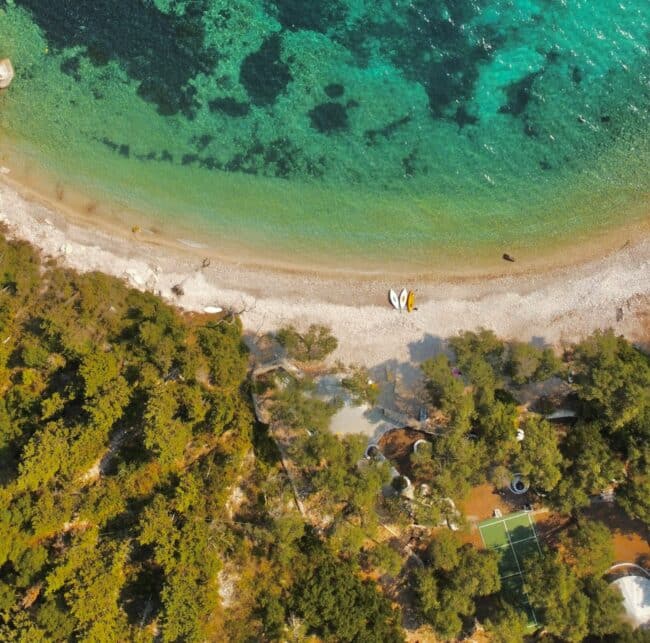
The island of Paxi, sometimes known as Paxos, is a true Greek surprise-and not just for avid Netflix viewers.
The island is the smallest of the seven main islands in the Ionian archipelago and is located about 14 km south of Corfu. The atmosphere in Paxi is one of quiet luxury and meticulously preserved authenticity. There are no airports or massive resorts here, but rather picturesque fishing villages, yachts anchored in small harbors, and a relaxed lifestyle that moves at a slow Mediterranean pace.
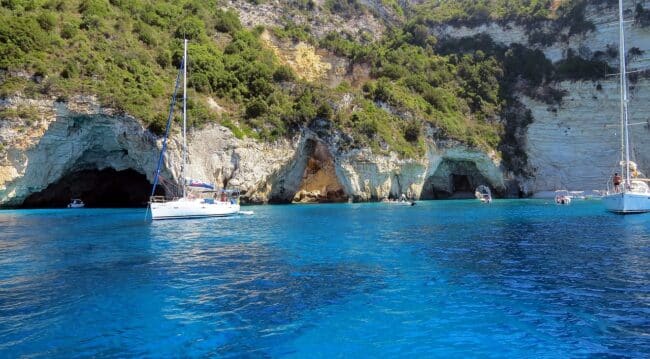
A visit to the island is a completely different Greek experience compared to its larger neighboring islands. Its landscape is characterized by ancient olive groves covering almost every corner, impressive white limestone cliffs on its western side, and vibrant turquoise coves on its eastern side.
In fact, the combination of colors (especially green and blue) is the island’s hallmark. It is no wonder the island is considered a favorite destination for yachters and travelers seeking an escape from the tourist crowds, without giving up fine dining and wild nature.
Who is Paxi Suitable For?
For couples, the island of Paxi is the epitome of Greek romance at its best. The relative isolation of the island, the narrow alleys of the village of Gaios-which serves as the main port-and the spectacular sunsets over the western cliffs create the perfect backdrop for an intimate romantic getaway. You will enjoy small chef restaurants on the waterfront, the option to rent a private boat for a full day to explore secluded coves, hikes among ancient olive trees, and breathtaking viewpoints-all of which provide a general atmosphere of true connection and rare couple’s tranquility.
Families visiting Paxi are usually those looking for a vacation based on nature, the sea, and high-quality simplicity. Children will particularly enjoy the shallow and calm waters of the eastern beaches like Monodendri Beach (a common name in Greece; there are villages with the same name near Patras and Ioannina, and a beach on the island of Lipsi) and a daily cruise to the island of Antipaxos. Since the island is very small and safe, it allows families to relax comfortably, though navigating with strollers in the alleys and rocky beaches can be challenging-making it more suitable for families with older children (who are ready to part with their screens) or those equipped with baby carriers.
Groups of friends or travelers arriving together can rent a private villa with a pool in Paxi, serving as an excellent base for shared sailing trips. Groups that love culinary experiences and solid, high-quality nightlife will find exactly what they are looking for here. In the ports of Loggos (not to be confused with a similarly named village in Western Greece) and Lakka, there is an abundance of very high-standard bars and restaurants. Paxi is a destination that suits groups wanting to spend quality time together away from noisy clubs (like those on islands such as Mykonos), while still enjoying daily cruises and diving in stunningly beautiful waters.
Independent travelers, backpackers, and nature lovers will find in Paxi a network of ancient hiking trails crossing the island. Despite its limited size, the island offers challenging treks that include abandoned Byzantine churches, ancient olive oil mills, and viewpoints overlooking the Blue Caves on its western side.
Paxi is a place where you can safely get lost in the thick vegetation, meet welcoming locals in the villages, and experience the authentic Greece of yesteryear.
The History and Character of Paxi
The history of Paxi is intertwined with Greek mythology. According to legend, the island was created when Poseidon, the god of the sea, struck Corfu with his trident, breaking off a piece to create a secluded love nest for himself and his wife Amphitrite.
Over the years, the island changed hands many times, similar to the rest of the Ionian islands, which is reflected in the red-tiled roofs and decorated windows in the villages.
The prolonged Venetian rule left its mark here in the colorful architecture and olive groves, but so did the brief periods of French and British rule, and of course, the union with Greece in 1864.
The island’s character is mainly influenced by its geographical isolation, but also by the fact that it has no natural freshwater sources (in the past, residents relied on ancient cisterns carved into the rock).
The islanders are known for their warm hospitality and preservation of agricultural traditions, primarily the production of olive oil, which is considered some of the highest quality in Greece. If you are looking for a souvenir to take home from your visit here, don’t miss out on buying a few bottles.
The atmosphere in Paxi is one of understated luxury: this is a place where the rich and famous dock their yachts alongside simple fishing boats, and at the end of the day, everyone sits together in the same taverna on the pier.
Peace and quiet are fiercely guarded here, and even during the peak season, the island manages to maintain a sense of tranquility, thanks in no small part to strict building restrictions and the scarcity of large vehicles.
In the summer (usually August or September), the Paxos Music Festival is held here-a small international event featuring classical and jazz music held in old schools or under the open sky.
The Maestro and the Sea: When Paxi Became a Netflix Star
Beyond its natural and serene beauty, the island of Paxi recently burst into global awareness when it became the main filming location for “Maestro in Blue”-the first Greek series broadcast on Netflix.
The series, created and directed by Christoforos Papakaliatis, makes excellent use of the island’s visual potential, showcasing the picturesque alleys of the village of Gaios, the magical marina, and the hidden turquoise beaches. Thanks to the success of the series, many travelers now come to Paxos not only to enjoy the wild landscapes and olive groves but also to follow in the characters’ footsteps, sit in the same local tavernas, and experience the cinematic magic that turned the island from a well-kept Greek secret into a sought-after international destination.
Accommodation in Paxi – Hotels, Guesthouses, and Vacation Apartments
Accommodation in Paxi is mainly divided into three central hubs: the main port town and island capital of Gaios, the picturesque village of Lakka in the north, and the small, peaceful village of Loggos in the east. Those who choose to stay in Gaios will be close to the center of action, shops, and nightlife, while staying in Lakka and Loggos is more suitable for those seeking absolute quiet and proximity to hidden beaches.
Due to the nature of the island, there are no massive all-inclusive hotels here, and most accommodation options fall into one of three categories: private villas located on the hills overlooking the sea, renovated boutique apartments within historical buildings, and a limited number of small, high-quality hotels with personalized service.
Most of the accommodations on the island are on its eastern side, as the western side is too steep for housing and hospitality. For all accommodations on the island, it is highly recommended to book well in advance, as supply is limited and demand is very high, especially during the summer months.
- Paxos Club Resort & Spa – Located near Gaios, this is one of the few resorts on the island that includes extensive facilities. The property features a large saltwater swimming pool, a developed spa complex, and a gym. The rooms are decorated in a traditional Greek style with modern touches, and some are suitable for families. The hotel operates a regular shuttle service to the port and nearby beaches for the convenience of its guests.
- The Purple Hotel (Apricot Boutique Hotel) – An adults-only boutique hotel situated on a hill above Gaios. The place is decorated in a very unique, eclectic style, with each suite designed differently using art pieces from around the world. Every suite features a private balcony overlooking the Ionian Sea. The complex has a tranquil swimming pool surrounded by rich Mediterranean vegetation, and the service here is exceptionally personalized and meticulous.
- Torri e Merli Boutique Hotel – A luxury boutique hotel housed in an ancient 18th-century Venetian building in the Lakka area. The hotel combines historical architecture with modern, luxurious interior design. It offers a limited number of suites, ensuring maximum privacy. The complex includes a beautiful pool, manicured gardens, and a chef’s restaurant serving dishes based on local ingredients.
- Anassa Mare Villas & Residences – A luxurious residential complex located on the beach in the Kloni Gouli area, a short drive from Gaios. Here you will find villas and studio apartments decorated in bright, soothing tones, situated right on the waterfront. This is an ideal accommodation solution for those who want to wake up to the sound of the waves and enjoy direct access to a quiet bathing beach.
- Bastas Hotel & Studios – A hotel located in the village of Lakka, a short walk from the port and beaches. The hotel features a swimming pool and clean, cozy rooms, with some units including a fully equipped kitchenette. The place is suitable for travelers looking for comfortable and functional accommodation in a central yet quiet location, with a warm family atmosphere.
- Olympia Central – An apartment complex located in the very heart of Gaios. The apartments are modern, air-conditioned, and well-equipped, located just steps away from the main square and the port promenade. Here you will find small balconies overlooking the town’s picturesque alleys, allowing you to experience the day and nightlife of Paxos up close.
- Villa Gikas – An estate situated above the bay of Loggos, offering spacious guest apartments surrounded by olive groves. The property features a shared swimming pool and spectacular panoramic views of the sea and the village. The apartments are very suitable for families or groups of friends seeking the tranquility of nature on one hand, and proximity to the charming fishing village on the other.
- Paxi Beach Resort – A luxurious adults-only aparthotel located in a dreamy bay, offering well-designed accommodation units with direct sea views. Here you will find private sunbathing areas, easy access to the crystal-clear waters, and attentive service. The design blends local stone with modern furniture, creating a luxurious atmosphere that is deeply connected to the island’s natural surroundings.
Attractions and Interesting Things to Do in and Around Paxi
Strolling through the alleys of Gaios reveals boutique shops by Greek designers, art galleries, and small cafes. It is a particularly vibrant town. The small island of Agios Nikolaos serves as a natural breakwater, creating the harbor’s unique look and making it exceptionally sheltered.
The town of Lakka in the north of the island sits within an almost closed, horseshoe-shaped bay, making its waters very calm and perfect for swimming.
Loggos is the smallest and most picturesque village on the island, famous for two things: its old olive oil factory which has been turned into a cultural center, and its fish tavernas, which are considered exceptionally good.
The main activity in Paxi is undoubtedly sailing. Renting a small motorboat (which does not require a license, just being over 18 and following safety instructions) is the best way to explore the island. It is recommended to sail along the eastern coast, stop at any cove where the water looks inviting, and continue for 15 minutes to the neighboring island of Antipaxos.
On the western coast of Paxi, you will find dramatic and completely different sights. Here are the Blue Caves, a series of massive sea caves carved into the limestone by the ocean waves. Some of the caves are large enough for boats to enter inside, just note-Greece is full of Blue Caves, and there are others on islands like Zakynthos, Kastellorizo, Alonissos, Milos, and Kefalonia, so try not to get them confused here too.
One of the most famous spots on this side of the island is the Tripitos Arch, a natural rock bridge rising dozens of meters above sea level. Access is possible on foot via a marked trail starting from the village of Ozias, and the view from there is among the most beautiful in all of Greece.
For history and culture enthusiasts, it is recommended to visit the Paxos Museum, housed in an old school building in Gaios, where you can view prehistoric artifacts alongside agricultural tools from the Venetian period.
Additionally, it is highly recommended to hike among the ancient olive groves, some of which are centuries old. The trees on the island have grown to extraordinary heights due to local cultivation methods, creating a green, shading canopy that allows for a pleasant hike even on hot days. You can find guided walking tours and other activities here:
Beaches in Paxi
The beaches in Paxi are mostly brilliant white pebble beaches, which keeps the water crystal clear and completely sand-free. On most beaches, you can swim safely, but they are not organized with emergency services, lifeguards, or flags indicating sea conditions.
It is your responsibility to use discretion regarding whether to enter the water depending on the wave height, and to equip yourself with water shoes (for protection against pebbles and sea urchins), umbrellas, water, and food (most beaches do not have kiosks). Here are some options:
- Monodendri Beach – One of the few organized beaches on the island, located near Loggos. There are beach clubs here with sun loungers, water sports, and music, making it very popular among young people and families.
- Kipiadi Beach – A long and completely natural beach with large pebbles. Access is on foot or by boat. Absolute quiet is guaranteed, along with exceptionally clear, deep waters perfect for snorkeling.
- Harami Beach – A beach located in Lakka Bay with a partially sandy bottom and very shallow waters, making it ideal for families with small children.
- Erimitis Beach – A beach formed following a cliff collapse in 2008 on the western side of the island. The beach features a dramatic landscape of towering white cliffs. It is recommended to arrive in the late afternoon to watch the sunset.
Nightlife, Bars, and Entertainment on the Island of Paxi
The nightlife in Paxi is not characterized by loud dance clubs, but rather by stylish bars serving high-quality cocktails along the harbors. The main form of entertainment is the “volta” (the pre- or post-dinner stroll) along the piers. Here are a few options to spend a fun night out:
- Erimitis Bar Restaurant – A bar-restaurant with a luxurious atmosphere located on a cliff above the beach of the same name. This is the most famous spot on the island for watching the sunset with a glass of wine or a cocktail in hand.
- Roxi Bar – A longstanding and popular bar in the port of Gaios. The place is perfect for watching yachts enter the harbor while enjoying a refreshing drink or a morning coffee.
- Manesko Bar – A bar located in Gaios, characterized by a lively atmosphere with good music and a large selection of drinks, attracting a younger crowd.
- Akis Fish Bar – A spot in an excellent location in Lakka that combines a bar atmosphere with culinary touches from the sea, making it perfect for a relaxed night out by the water.
Restaurants and Culinary in Paxi
The culinary scene in Paxos is based on local ingredients such as fine olive oil, fresh fish caught that same morning, and regional cheeses. Here are the best places to taste them:
- Taverna Vassilis – A veteran family restaurant in Loggos, considered one of the best on the island. It serves classic Greek dishes with a modern twist, with an emphasis on seafood and fish.
- La Rosa di Paxos – A restaurant located in Lakka serving dishes that blend Greek and Italian cuisine. The seafood pastas are highly recommended.
- Mambo – A popular restaurant in the port of Gaios with tables right on the waterfront. It is recommended to order the sea bass in salt crust or the grilled seafood.
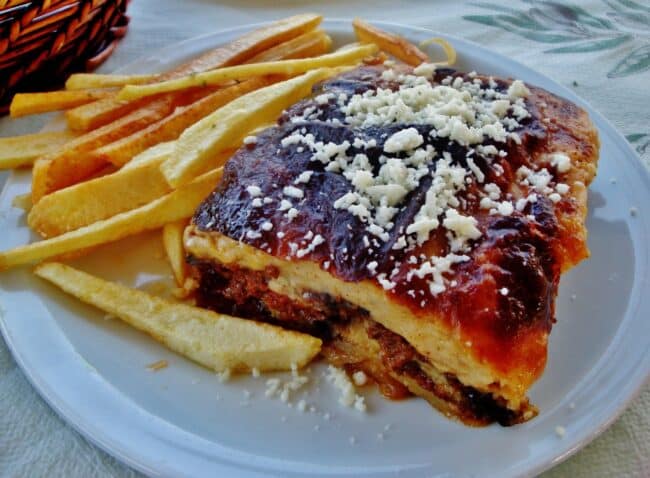
- Taka Taka – A restaurant with a lively atmosphere located in the picturesque alleys of Gaios, considered a local culinary institution. The restaurant specializes in authentic, home-style Greek cuisine, so the stews change daily, but the Moussaka remains the crowning glory.
Transportation in Paxi and Getting to the Island
Since there is no airport in Paxi, arriving at the island is done exclusively by sea.
- A fast ferry from the island of Corfu. The sailing time is between 60 to 90 minutes.
- Sailing via daily tourist boats from the town of Parga on the Greek mainland (Epirus region). The sailing time is about an hour and a quarter and is usually part of a full-day activity that also includes a swimming stop in Antipaxos, a visit to the Blue Caves, and free time in Gaios.
- A ferry ride lasting about two hours from the city of Igoumenitsa. These ferries are larger and also carry vehicles, but they operate daily primarily during the tourist season (May-October), and it is recommended to book your spot in advance.
- Sailing via water taxis or private boats from Parga, taking about 50 minutes. This option is mostly suitable for groups or those looking to visit Paxi with a flexible schedule.
Within the island, transportation relies on a limited number of taxis and rental cars, with one bus route connecting the three main destinations (Gaios, Lakka, and Loggos). The island is very small, so you can cross it from end to end in about a 20-minute drive.
Important Tips for Visitors to Paxi
- Recommended Season: May through the end of June, and September to mid-October, are the best times. July and August are very busy, and prices rise significantly.
- Equipment: It is highly recommended to bring water shoes (due to the pebbly beaches) and snorkeling gear, thanks to the underwater visibility which is considered some of the best in the world.
- Water: Do not drink tap water on the island; use bottled mineral water for both drinking and cooking.
- Money: Most places accept credit cards, but it is wise to carry a little cash for small water taxis or shops in the inland villages.
Paxi is a Greek island that manages to do the impossible: on one hand, remaining relevant and luxurious, while on the other, not losing its traditional soul. The combination of powerful wild landscapes on the western side and tranquil coves on the eastern side, alongside a pampering level of hospitality and high-quality cuisine, makes it a must-visit destination for anyone looking for the perfect vacation. This is a place where time stands still, and the simple beauty of the sea and the olive trees takes over the senses. An experience you won’t forget.