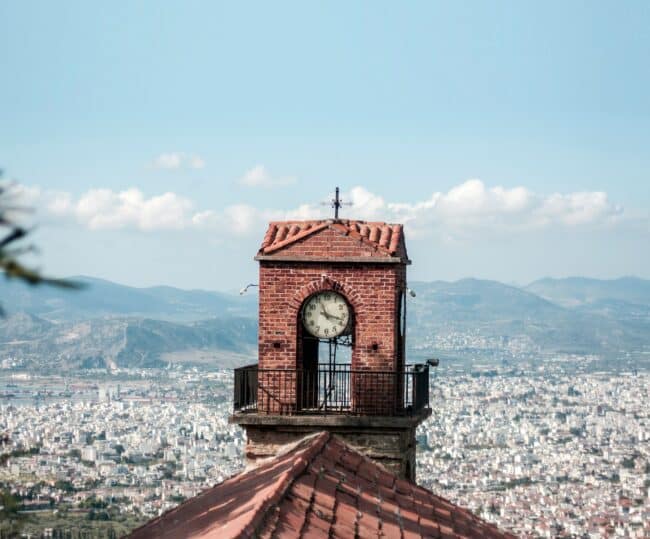

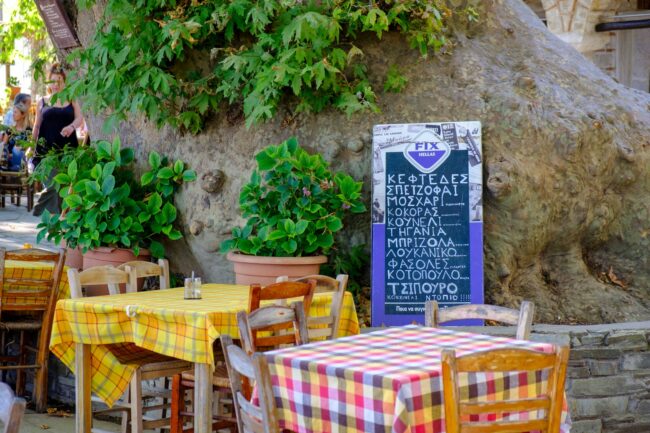
Tsagkarada is one of the most unique and beloved villages on the Pelion Peninsula, in Thessaly, situated on the eastern slope overlooking the Aegean Sea. It is important to be precise: Tsagkarada is not located on the island of Evia, as sometimes mistakenly listed, but is a green mountain village at an altitude of about 400 meters above sea level and about 20 kilometers east of the city of Volos. This location creates a rare combination of mountain and sea: vast chestnut forests, streams, and ancient stone bridges on one side, and some of the most beautiful turquoise beaches in Greece just a short drive away on the other.
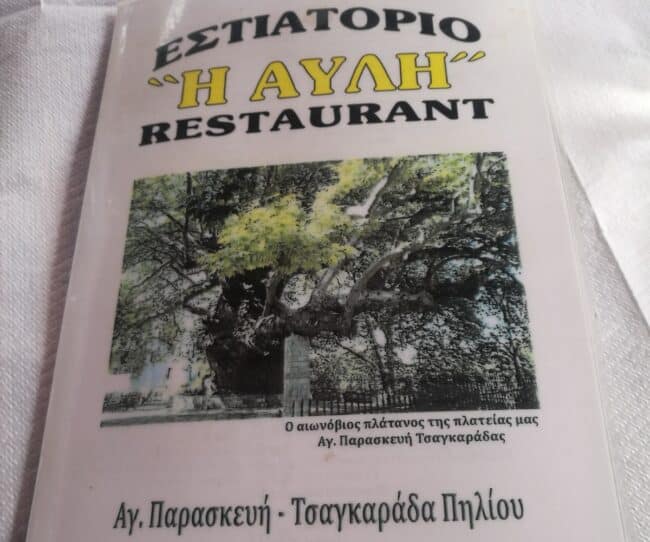
The typical landscape of Tsagkarada features steep green slopes descending to the sea, traditional stone houses with slate roofs, balconies overflowing with flowers, and squares shaded by giant plane trees. In the central square stands a massive plane tree, estimated to be about a thousand years old with a trunk circumference of several meters. It is one of the most famous trees in all of Greece. The atmosphere is quiet, green, and romantic, but during the warm season, the village fills with Greek travelers and tourists from all over the world looking for a mix of nature, sea, and culinary experiences.
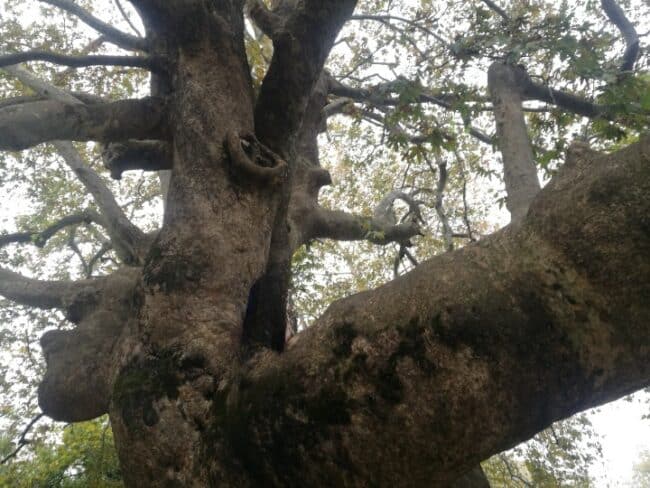
Tsagkarada actually consists of four traditional neighborhoods, each centered around a small square and a stone church. They are connected by ancient stone paths that wind through gardens and the forest. The village serves as a convenient base for a vacation of a few days or even longer, with access to Mylopotamos, Fakistra, Damouchari, and Papa Nero beaches, alongside hiking trails, jeep tours, food tours, and more.
For lovers of authentic Greece, Tsagkarada is an opportunity to experience Pelion as the locals describe it: “The Mountain of the Centaurs.” It is an area where nature is dense, the villages maintain a traditional character, and life moves slowly, with an emphasis on hospitality, good simple food, and plenty of time on balconies facing the sea.
Who Should Visit Here?
The village is full of hidden corners, guesthouses with fireplaces and rooms with balconies facing the sea, hot tubs and spas in certain hotels, and short walking paths to quiet viewpoints. A local breakfast on a shaded terrace, followed by a descent to Mylopotamos or Fakistra beach for a swim in clear waters, and in the evening an intimate taverna in the square with local wine – this is the classic couples’ experience in Pelion. Couples who love green landscapes and a more European atmosphere, but still want the sea a short distance away, will connect deeply with Tsagkarada.
Families will enjoy the fact that the village allows for a combination of sea, nature, and activities. There are hotels here with pools, family rooms, and spacious vacation apartments. Trails suitable for walking with children lead from several squares, passing between chestnut trees and small waterfalls. Mylopotamos and Papa Nero beaches have clean water, relatively comfortable entry areas into the sea, and basic facilities, making it easy to spend half a day there with kids. The access road is winding, but once you arrive, everything is relatively close, and the village feels safe and pleasant for walking in the evening as well.
Groups of friends will find Tsagkarada an excellent base for trips and active pursuits. You can rent a villa or a large house, go out in the morning for hikes on historic stone paths, combine an organized day trip that includes Tsagkarada and Mylopotamos beach as part of a private tour from Volos, and then return in the evening for a drink and a good meal at one of the local tavernas or bars. Photography enthusiasts will especially enjoy the squares, the giant tree, the ancient bridges, and the contrast between forest and sea.
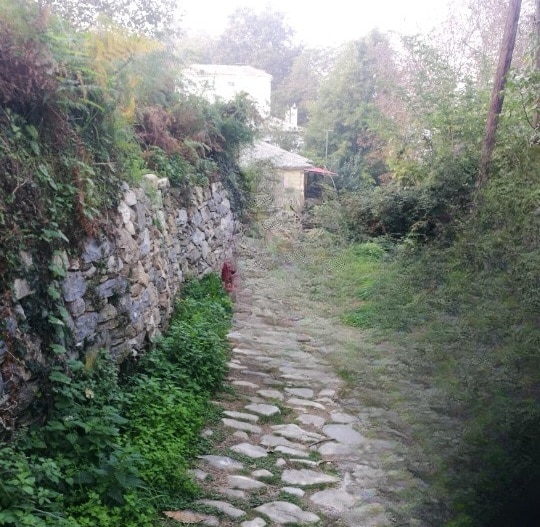
Independent travelers and backpackers will love Tsagkarada thanks to Pelion’s extensive network of hiking trails, some of which pass right through or near the village. There are routes connecting Tsagkarada to villages like Mouresi and Zagora, as well as a well-known trail that descends towards Damouchari, the village where parts of the movie “Mamma Mia” were filmed.
The area is especially suitable for those arriving without a car who are willing to rely on walking, local taxis, and buses, or for those looking to stay in the same village for a few days, go on hikes, and return to the same regular balcony with a book and a cup of coffee.
History and Character of the Place
Tsagkarada has been mentioned in historical sources since the 17th century, as part of a chain of Pelion villages that developed thanks to local agriculture—growing chestnuts, olives, and fruits—and trade conducted through nearby coastal ports.
During the Ottoman rule, the villages of Pelion enjoyed a certain degree of autonomy, which led to a flourishing of impressive stone houses, decorated churches, and an influx of merchants and intellectuals to the area. In the 19th and early 20th centuries, the region blossomed as a resort destination for the middle class and elite of central Greece, and many residents invested in building magnificent stone mansions.
The character of Tsagkarada today combines tradition and relaxation with moderate tourism. Many of the old houses have been preserved and converted into guesthouses, but the village has not become a mass resort town. Life revolves around the squares – coffee and pastries in the morning, tavernas at noon, and small bars with pleasant music in the evening.
Locals tend to be welcoming, proud of their village, and especially of the legendary plane tree that draws visitors from all over Greece. The pace is slow, the air is a few degrees cooler than the coast even in summer, and the feeling is of a European mountain village with a distinctly Greek soul.
Recommended Hotels and Apartments in Tsagkarada
Tsagkarada has a relatively large variety of accommodation options relative to the size of the village, ranging from luxurious resorts with spas and pools, through traditional guesthouses in stone mansions, to vacation apartments and private holiday homes for family or group vacations. Many of the accommodations are scattered across the different neighborhoods of the village; some are closer to a central square while others are more isolated within the forest, offering privacy and open sea views.
Due to the mountainous terrain, many hotels and villas offer a combination of wide balconies, fireplaces in the rooms, and large windows facing the view. For some travelers, it is recommended to choose accommodation with a pool – especially for families – to enjoy a light dip at the end of a day of touring, and in the rainy season, it is worth ensuring there is central heating or an active fireplace. Here are some excellent examples:
- 12 Months Resort & Spa – A large and well-maintained five-star resort located a short distance from Tsagkarada’s square, combining traditional Pelion architecture with modern spa services, an outdoor pool, and sports facilities. Especially suitable for couples looking for full pampering, and families wanting a base with many services in one place, including a restaurant and bar.
- Pilio Sea Horizon Hotel – A four-star hotel in traditional style, with a large pool and impressive views of Mylopotamos Bay and the Aegean Sea. The hotel is located in a relatively quiet area, a short drive from Mylopotamos beach and the village itself, and is suitable for families and groups needing a pool, parking, and spacious rooms.
- Amalthia Traditional Guesthouse – An award-winning traditional guesthouse, with rooms designed in stone and wood, a small outdoor pool, and a beautiful view of the valley. The atmosphere is intimate and quiet, the service is very friendly, and it is an excellent solution for couples looking for a combination of authenticity and modern comfort, as well as small families wanting a homey base for trips in the area.
- Diogenis Hotel – A small, home-style hotel located a few minutes’ drive from Mylopotamos beach, with a sun terrace and panoramic sea views. The rooms combine a fireplace, wooden ceilings, and an elegant rustic atmosphere with old wooden furniture, and the hospitality is known to be warm and personal. Suitable for couples and travelers looking for a quiet place with convenient access to both the sea and the village.
- Nostos Country House – A five-star boutique country house considered one of the most elegant places in the area. The rooms are designed down to the last detail, emphasizing modern comfort within a historic village structure. The place features a wide garden, terrace, bar, and hot tub. Especially suitable for couples wanting an elegant and quiet vacation, but also for small groups or families looking for a high standard.
- Sunrise Tsagkarada – A complex of modern villas and apartments with fully equipped kitchens, large terraces overlooking the sea and forest, and private parking. Located in a quiet area, relatively close to the path descending towards Fakistra beach. Very suitable for families and groups who want to cook for themselves and manage at their own pace.
- Four Elements – A modern holiday home with spacious units, a fireplace in the living room, a kitchenette, and a terrace with a garden. Suitable for families and groups of friends who prefer accommodation that feels like home, with the option to cook, sit outside in the evening, and enjoy full privacy.
Attractions and Things to Do in the Area
The first thing to do in Tsagkarada is simply to wander between the squares and neighborhoods. Agia Paraskevi Square, with its giant plane tree and stone church, is the beating heart of the village. Here you will find cafes and restaurants, benches under the massive shade of a centuries-old tree, and a silence that almost makes you forget time. It is also recommended to visit the quieter Agion Taxiarhon Square and Agios Stefanos Square, which offer different perspectives of the village and the valley.
Nature hikers and history buffs will enjoy the network of hiking trails (kalderimia) that lead from Tsagkarada to neighboring villages and beaches. One of the most beautiful routes descends through the forest towards Mylopotamos beach, crossing small stone bridges and flowing streams. Others lead towards Damouchari, the picturesque coastal village where scenes from Mamma Mia were filmed, or towards the villages of Mouresi and Zagora to the north. Some of the trails are restored and considered part of the “Ancient Pelion Trails” featured in international hiking guides.
Sea lovers will likely not want to miss a visit to Mylopotamos beach, one of the most famous beaches in Greece, located just about 6 kilometers from Tsagkarada and about 54 kilometers from Volos. The beach is divided into two bays connected by a narrow rocky passage, with deep turquoise water and white pebbles. On a waveless day, it is great for swimming here, and on stormy days, it is an impressive place to watch the waves crashing against the cliffs. Fakistra beach, further south, offers an intimate and dramatic bay – especially suitable for lovers of wild landscapes, swimming, and snorkeling. Damouchari and Papa Nero beaches are also a short drive away and offer another option for a relaxed day at the sea.
For those who prefer to explore the area with a guide, you can join a private tour departing from Volos that combines a visit to the village of Tsagkarada and Mylopotamos beach, including a drive through the green slopes, stops at squares, and explanations of local history and nature. Such a tour is offered here among others, allowing you to enjoy guided driving, more flexible timings, and stops according to the group’s request.
Beyond that, the region offers visits to local workshops, small farms, and viewpoints. There are cooking workshops and local product tastings as part of “Farm to Table” experiences in Pelion, some of which combine a short nature walk and a home cooking workshop. You can also incorporate Tsagkarada into a wider day trip around Pelion – for example, a route passing through the village of Makrinitsa, the “Balcony of Pelion” with its famous view of the Pagasetic Gulf, and continuing through other villages until Tsagkarada and the coast.
Beaches
Tsagkarada itself is a mountain village, but within a 10–20 minute drive, you will reach some of Pelion’s famous beaches on the eastern coastline of the Aegean Sea. The beaches in the area are characterized by particularly clear water, usually deep turquoise or blue, pebbly shores or fine pebbles, and green cliffs descending almost to the waterline.
Some beaches are suitable for families and have basic facilities, while others are wilder and require a short walk down a steep path. In summer, temperatures in the coastal area usually range between 26–30 degrees Celsius during the day, with water comfortable for swimming from mid-June to early October. Here are some key beaches:
- Mylopotamos Beach – The iconic beach of Pelion, in a double bay connected by a rocky passage, with a high cliff and a small stone bridge over the water. Suitable for swimming, sunbathing, and landscape photography. There are sections with umbrellas and sunbeds during the season.
- Fakistra Beach – A more isolated bay, with a relatively steep descent from the parking lot. Suitable for those willing to make a little effort in exchange for exceptionally clear water and the feeling of a secret cove. It is recommended to bring water and basic equipment, as facilities here are limited.
- Damouchari Beach – A small coastal village with a beautiful pebble bay and tavernas on the waterfront, where scenes from Mamma Mia were filmed. The beach is suitable for a combination of swimming, dining, and wandering through the alleys and stone buildings.
- Papa Nero Beach – A relatively long beach, adjacent to the village of Agios Ioannis, with tavernas and accommodations right by the water. The beach is comfortable for families, entry into the water is easy, and it has a free and pleasant atmosphere.
Food and Drink, Nightlife, Tavernas and Restaurants
The entertainment culture in Tsagkarada is very different from Greece’s party islands: here you don’t look for big clubs, but cafes and wine bars, tavernas with pleasant music, and a quiet atmosphere. The local cuisine focuses on classic Greek dishes – moussaka, gemista, and souvlaki alongside dishes typical of Pelion like slow-cooked meat stews, seasonal vegetable dishes, and “spoon sweet” desserts made from local fruits – figs, cherries, chestnuts, and citrus fruits. In higher areas, you will also find local liqueurs and a variety of wines from regional wineries.
- Apalou Bistro – A popular bistro-bar offering a mix of Greek-Italian cuisine, special pizzas, burgers, salads, local beers, and cocktails. The atmosphere is pleasant and relaxed, with classic rock and blues music in the background. An excellent place for a long evening with friends.
- Skala Bar Restaurant – A bar-restaurant with an impressive view on the slope, with stone stairs (Skala) leading up to a shaded terrace between trees. The place combines cocktails, wines, and light dishes, and is very suitable for couples or groups looking for an evening with a special atmosphere and a view.
- AgnaDi Cafe – A cafe/bar with an open view of the sea, known for quality coffee, homemade cakes, toasties, and small plates, alongside wines and light alcoholic beverages. A perfect place for a late afternoon break or a relaxed evening with a glass of wine.
- Platanos – A cafe-bar located near the famous plane tree, with tables under the giant canopy. The atmosphere here is almost magical at twilight, as the light filters through the leaves. Suitable for coffee, a soft drink, or a glass of ouzo before or after dinner.
- Taverna Agnanti – A veteran taverna in the square, considered one of the prominent restaurants in the village. The menu combines classic Greek dishes with a modern touch. Rich salads, creative pasta dishes, meat stews, and especially excellent vegetarian dishes. The atmosphere is homey yet elegant, suitable for both couples and families.
- Aleka’s House Restaurant – The restaurant of Aleka’s House hotel, serving Greek-Mediterranean food with an emphasis on local raw ingredients. Especially recommended are the homemade pasta dishes, fresh salads, fish and seafood in season, and traditional desserts. The terrace overlooks the sea and the green slope, and the atmosphere is relaxed and meticulous.
- Paradisos Taverna – A family taverna operating since the 1960s, in the center of Tsagkarada. Dishes from home-style Greek cuisine are served here. Greek salad, tzatziki, grilled meats, seasonal stews, and vegetarian dishes. Known for warm hospitality and the beautiful view from its balcony.
- The Lost Unicorn Restaurant – An elegant bistro restaurant inside a boutique hotel in a 19th-century mansion. The atmosphere is particularly romantic, with a green courtyard and tables set among trees and flowers. The menu combines Greek and modern Israeli-European cuisine, with an emphasis on carefully prepared meat, fish, pasta, and dessert dishes. Very suitable for a festive evening or a special romantic meal.
- Avli Taverna – The restaurant offers a rustic and authentic hospitality experience in the heart of Tsagkarada, with seating in a pastoral and shaded stone courtyard. The menu focuses on the local cuisine of the Pelion peninsula, with signature dishes like sausages and peppers, homemade pies, and slow-cooked meats, served alongside local wine and a breathtaking green view.
Transport and Arrival
To get here, land in Athens or Thessaloniki, rent a car, or continue by bus to Volos and from there to Pelion. The driving distance from Volos to Tsagkarada is 45-50 kilometers, depending on the route, and the drive takes about an hour to an hour and a quarter on a winding mountain road, with ascents, descents, and beautiful viewpoints along the way.
Without a car, you can get from Volos to Tsagkarada by intercity bus operated by KTEL Magnesias. There are usually two direct daily lines, and the trip takes about 40 minutes to an hour, costing a few Euros. It is recommended to check updated schedules on the official KTEL Volou website or at the central bus station in Volos.
Within Tsagkarada itself, movement by private car is possible but requires careful driving. The streets are narrow and steep, and sometimes it is better to park in the hotel area and move on foot between the squares. For those planning to visit beaches, a rental car makes things much easier, especially if you want to combine several beaches in the same day or go on trips to other villages in Pelion. Local taxis can also be used, of course, but their availability varies during the season.
From central Greece, such as Larissa, the drive to Tsagkarada usually passes through Volos: highway driving to Volos (about an hour to an hour and a half, depending on the starting point), and from there another hour to an hour and a quarter on the mountain road to Pelion. From Thessaloniki, the distance to Volos is about 210 kilometers (about two and a half to three hours), and from Athens about 320 kilometers (about 4 hours drive). Combining a train to Larissa and a bus to Volos is another option for those who prefer to minimize driving.
Important Tips
It is recommended to bring good walking shoes – even if you don’t plan long treks. The streets in the village are paved with stone and can be slippery, and paths to beaches, especially Fakistra, can be steep. In summer, bring hats, sunscreen, and water shoes for pebble beaches. In the evenings, even in July-August, expect a cool breeze and bring a light sweater.
In terms of budget, Pelion is considered a destination that offers good value for money: a good meal in a local taverna will usually cost 12–20 Euros per person, depending on dishes and drinks; coffee and cake in a cafe around 5–8 Euros. Accommodation ranges from simple guesthouses around 60–80 Euros per night for a couple, up to resorts and luxury villas that can reach 200 Euros and more in season. In the shoulder seasons, prices tend to drop significantly.
Useful links
מתוייג ב:
Rustic