
The markets of Athens are not merely a specific tourist attraction but a living urban system that has been operating continuously for centuries. They are a way of life where village and city coexist, and where freshness and simplicity are supreme values. Alongside covered and permanent markets, weekly mobile markets and entire historic commercial areas function as open markets in every sense.
Through the markets, one can understand Athens from the inside – through the raw materials, the sounds, the smells, and the daily encounter between residents, merchants, and visitors. It is a wonderful experience and, in many cases, a worthy source for provisions for the road or for cooking, if circumstances allow.
The History of the Greek Market
The Agora (market) was not just a market in the economic sense, but a foundation of ancient Greek life, serving as an open space in the heart of the city where commerce, social gatherings, politics, law, and religion took place simultaneously.
Here, food and raw materials were sold, but speeches were also delivered, public decisions were made, philosophers were heard, and free citizens met to discuss current affairs. In Classical Athens, the Agora was the civic center of the emerging democracy, a place where the economy and public life were inseparable.
This model—the market as an open, multi-layered, and dynamic urban space—continued to influence city planning and commerce throughout the ages. It is felt to this day in the way markets and commercial sites in Athens combine shopping, meeting, wandering, and urban life.
Athens Central Market – Varvakios Agora
Varvakios Market is the city’s main and oldest food market, operating since 1886. It is a large covered complex near Monastiraki Square, serving as a supply hub for private individuals, restaurants, and tavernas throughout Athens.
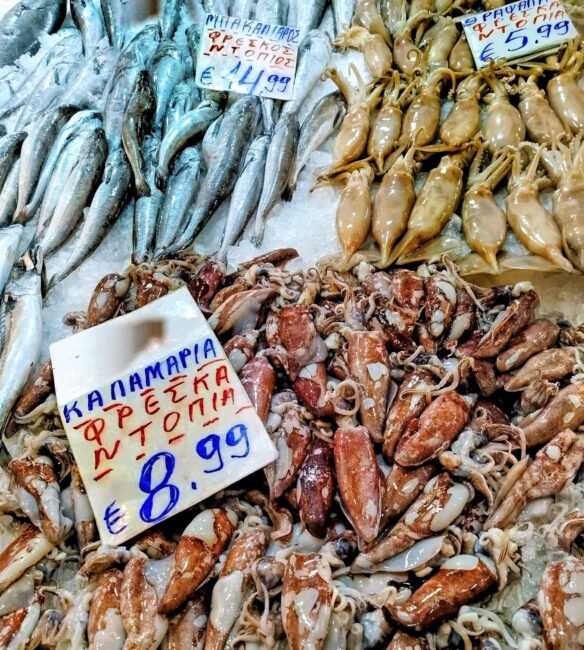
At the heart of the market operates the city’s central fish market, where fresh fish and seafood from the Aegean and Ionian seas are sold every morning. Surrounding it are large meat sections with professional butchers, spice shops, legumes, and staples of Greek cuisine. This is the place to see the entire urban food chain in action – from dawn unloading to selling by weight, exactly as has been done here for decades. The sights and smells overwhelm the five senses, and the experience is recommended only for those who enjoy such intensity.
Athinas Street is a historic commercial axis connecting the Omonia neighborhood to Monastiraki. Lined with shops selling spices, legumes, dried fruits, bakeries, and kitchen equipment, it serves as a natural extension of the market.
- Operating days and hours:
- Monday to Saturday: 07:00–18:00 (The fish area is sometimes active from the early morning hours, around 05:00)
- Sunday: Closed
- Market Tours
- Location
Monastiraki Flea Market
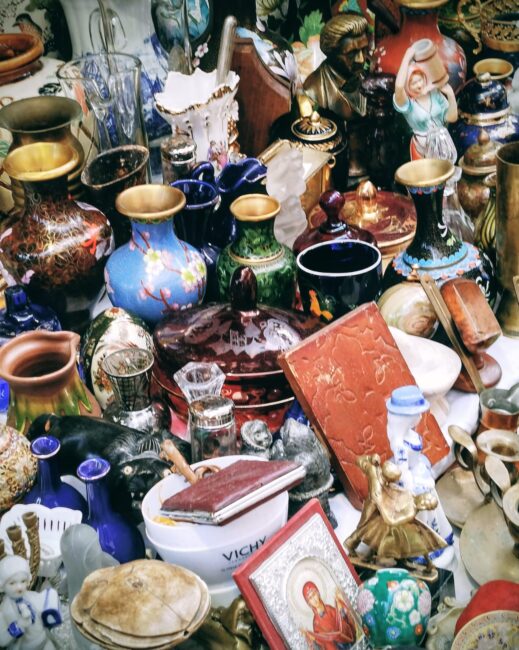
An open commercial area spreading around Monastiraki Square and adjacent streets. Permanent shops and temporary stalls offer second-hand clothes, antiques, vinyl records, books, jewelry, and vintage items. The location in the heart of a dense historic area, between the Ancient Agora and Ottoman and Byzantine structures, makes wandering here a complete urban experience.
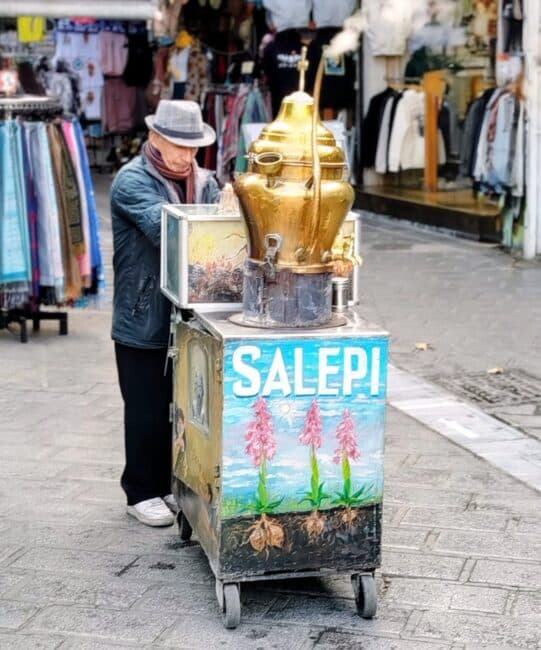
On Sundays, the Monastiraki area expands into a particularly crowded open market. Improvised stalls join the permanent shops, the atmosphere is less regulated and more folk-like, making it the busiest and most recommended day to visit.
- Operating days and hours
- Monday to Saturday: 10:00–20:00
- Sunday: 09:00–18:00
- Address
Abyssinia Square
Abyssinia Square is located further down the Monastiraki Flea Market, surrounded by antique and second-hand shops specializing in furniture, lighting, housewares, books, and records. On Sundays, an open market takes place in the square with temporary stalls, free bargaining, and treasure hunting.
- Operating days and hours
- Permanent shops: Monday to Saturday 10:00–19:00
- Open market: Sunday 09:00–18:00
- Address
Plaka – The Historic Market Area
The Plaka neighborhood is one of the most beautiful in the city. This is the historic commercial area of old Athens. The network of narrow streets combines souvenir shops, handicrafts, ceramics, jewelry, and traditional products, alongside cafes and tavernas. The central axis is Adrianou Street, running along the Ancient Agora, and Pandrossou Street.
- Operating days and hours
- Most shops are open Monday to Saturday between 10:00 and 20:00–21:00.
- On Sundays usually between 11:00 and 18:00, with longer operating hours during the tourist season.
- Guided Tour
The Weekly Street Markets – Laiki Agora
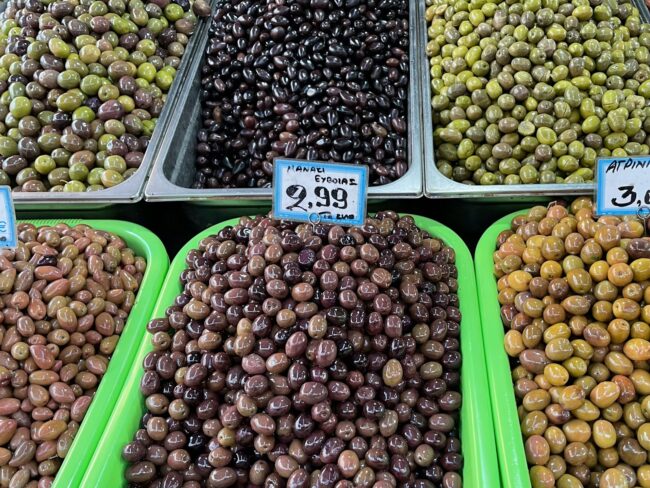
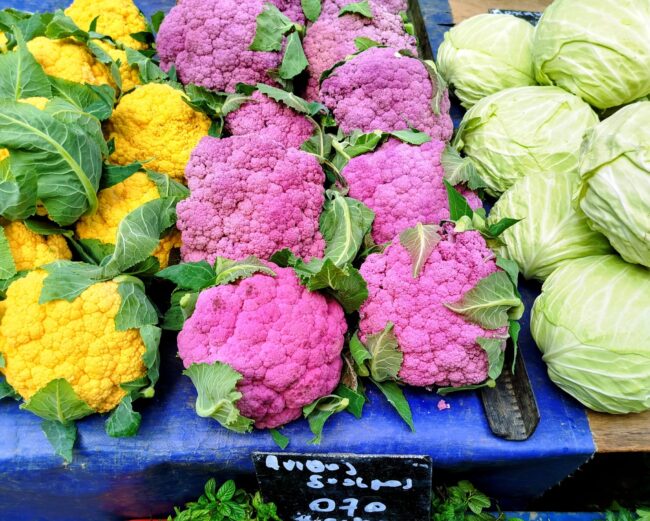
Laiki Agora is a network of neighborhood street markets operating once a week in almost every area of Athens. This is the residents’ daily market, not a dedicated tourist attraction. In every neighborhood, a specific street is closed for one day, where dozens of temporary stalls are set up from morning until noon. Here one buys raw materials for the week: seasonal fruits and vegetables, fresh fish, local cheeses, olives, honey, olive oil, eggs, legumes, and breads, and sometimes clothes, socks, and simple household goods. It is a wonderful and highly recommended experience.
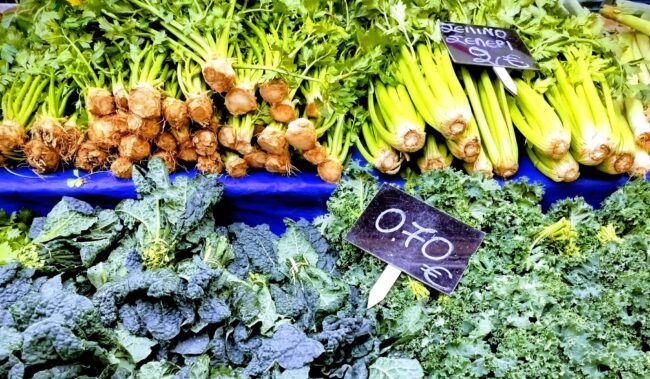
The Laiki operates at a different pace than central markets: less tourist noise, more conversation between seller and customer, light bargaining, and recurring familiarity with the same merchants week after week. Prices are usually lower than in stores, and produce comes directly from local growers and suppliers. Towards closing hours, significant price reductions can sometimes be found.
- Operating days and hours
- 07:00–14:30
- Prominent markets and locations:
- Tuesday: Pangrati
- Wednesday: Nea Smyrni
- Thursday: Glyfada
- Friday: Koukaki
- Saturday: Neos Kosmos
- More info here.
Kypseli Municipal Market
A covered market structure from the 1930s in the Kypseli neighborhood, which underwent preservation and became a community and cultural center. Alongside food stalls, bakeries, and cafes, it hosts designer fairs, social initiatives, and changing events reflecting the multicultural character of the Kypseli neighborhood. It is a place less focused on daily shopping and more on lingering, food, and local gathering, attracting a diverse crowd throughout the day and evening.
- Operating days and hours
- Monday to Saturday: 09:00–21:00
- Sunday: 11:00–18:00
- Address
Piraeus Municipal Market
A historic covered market in the port city of Piraeus, which is an integral part of the Athenian metropolis, built in the 1920s. After extensive renovation, it became a commerce and food hub with meat, fish, cheese, vegetable stalls, and bakeries, alongside local restaurants and bars. The character here is less touristy and more everyday.
Athens Flower Market
The Athens Flower Market focuses on fresh flowers, ornamental plants, saplings, potted plants, and bouquets for events, catering mainly to residents, flower shops, and business owners rather than a tourist crowd. The market operates along Evripidou Street and nearby streets, forming a natural part of the city center’s market system. Activity intensifies towards weekends, holidays, and family events, when the selection expands and prices are usually lower than regular city shops, making a visit here a direct glimpse into Athens’ daily routine.
- Operating days and hours
- Thursday to Saturday: 08:00–16:00
- Address
Christmas Markets in Athens and Piraeus
Athens and Piraeus are not cities of traditional Christmas markets like in Northern and Western Europe, but in December, seasonal Christmas markets and temporary winter complexes take place. The main centers of activity are Syntagma Square, central commercial areas, and the port area in Piraeus. Stalls serve sweets, mulled wine, roasted chestnuts, decorations, handicrafts, and seasonal products, alongside cultural events and activities for children.
Useful links
מתוייג ב:
Attractions | Food & Drink | Guides